Kenya
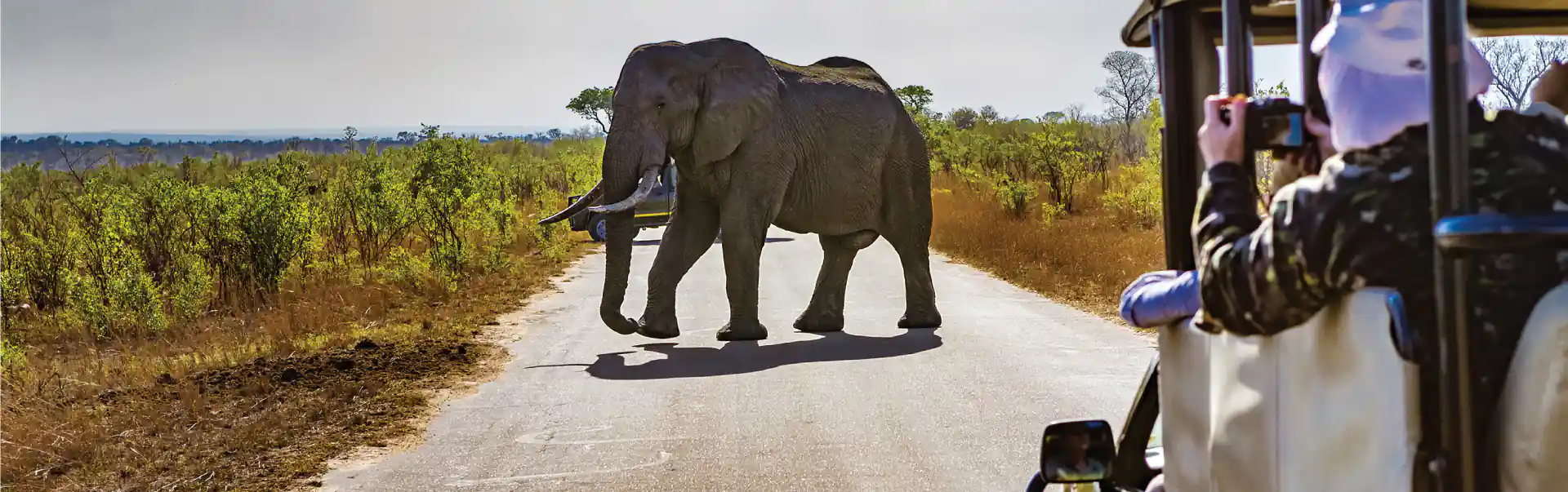
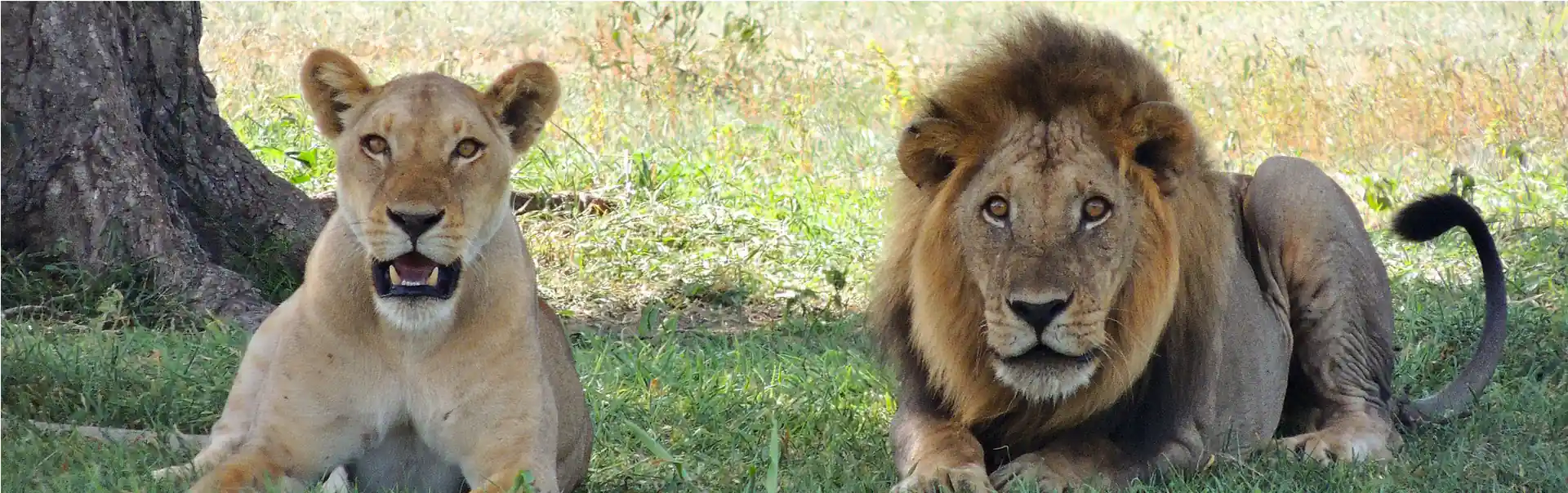
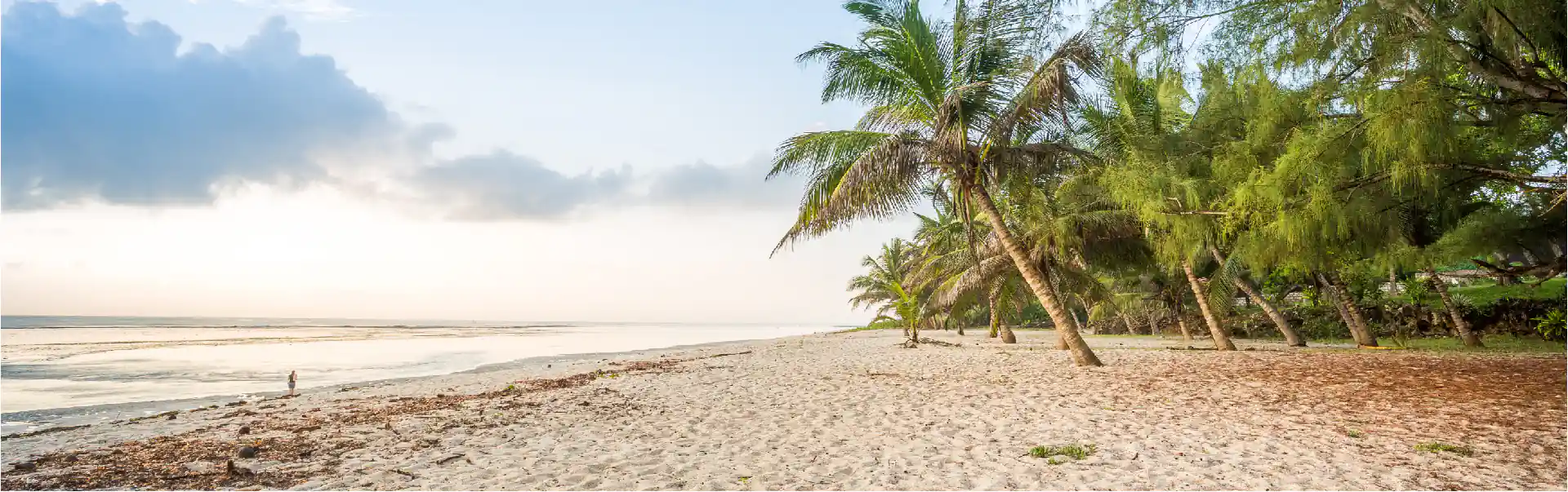
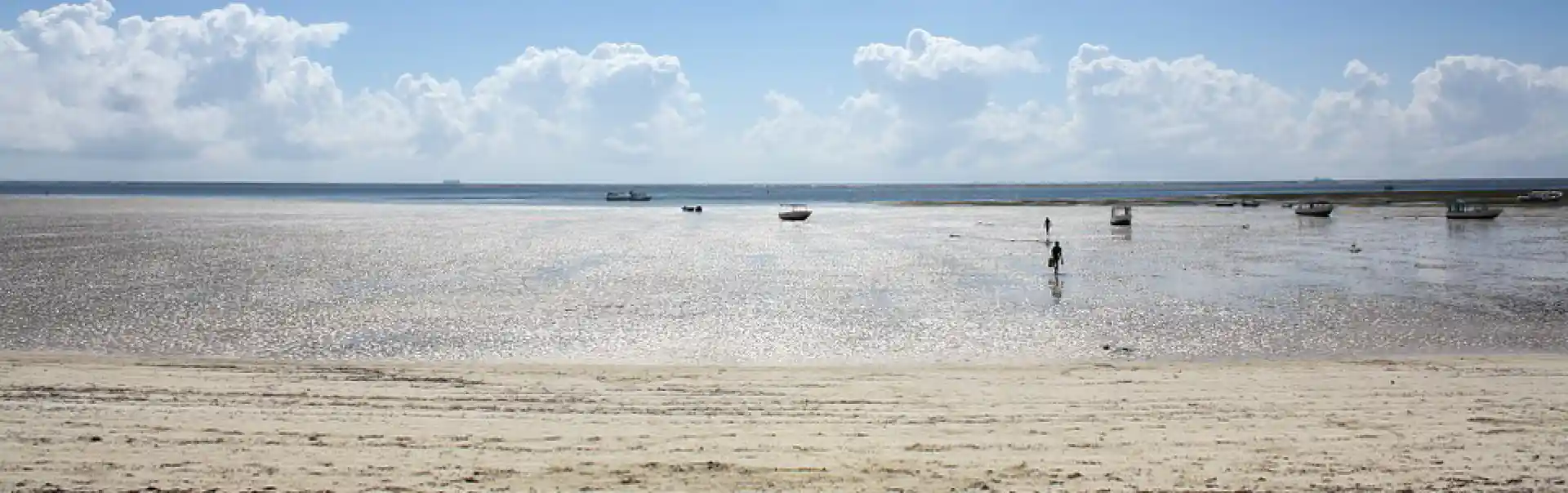
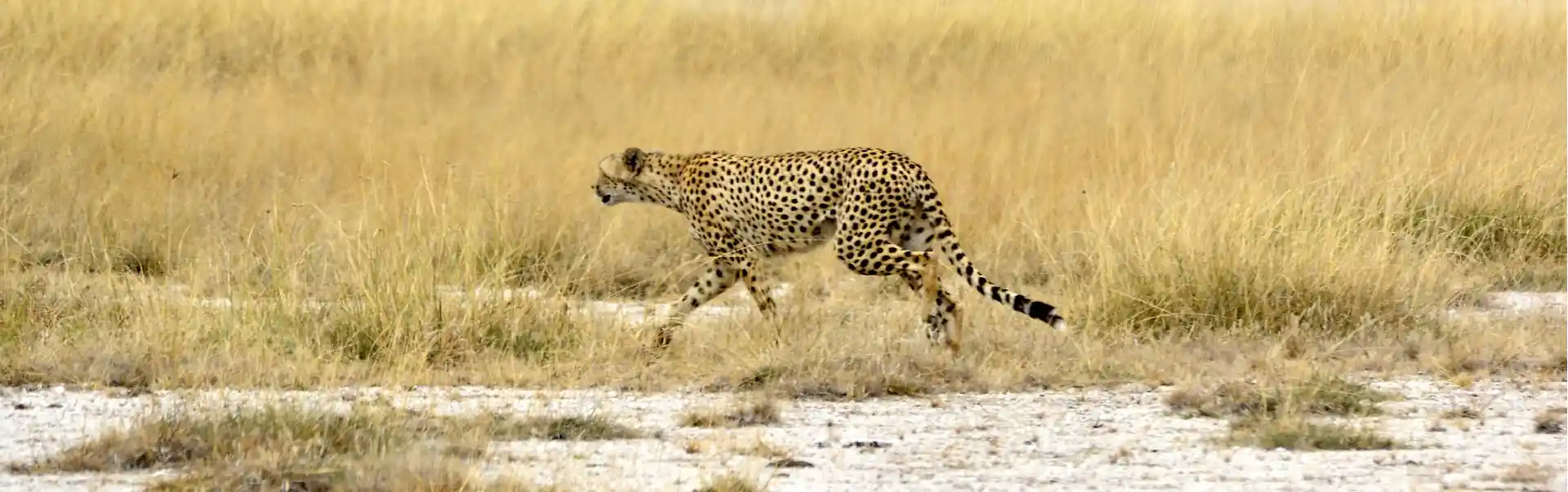
Kenya is a vibrant and diverse country located in East Africa, known for its rich cultural heritage, breathtaking landscapes, and dynamic economy. Its capital and largest city, Nairobi, is one of Africa’s most influential urban centers, serving as a hub for business, diplomacy, and innovation. Kenya’s coastline on the Indian Ocean provides access to beautiful beaches and historic towns like Mombasa, while its interior is home to the worldfamous Great Rift Valley and Mount Kenya, Africa’s second-highest peak. The country is globally recognized for its wildlife and national parks, including the Maasai Mara, Amboseli, Tsavo, and Lake Nakuru, which attract millions of tourists annually. These parks are home to the “Big Five” (lion, leopard, elephant, buffalo, and rhino) and host one of the world’s greatest natural spectacles—the Wildebeest Migration. Kenya’s culture blends traditional African heritage with modern influences. Music, dance, art, and storytelling are integral parts of community life. The Maasai, known for their colorful attire and warrior traditions, are among the most recognized groups globally. Kenyan cuisine features staples like ugali (maize meal), sukuma wiki (collard greens), nyama choma (grilled meat), and chapati.
Kenya is a vibrant and diverse country located in East Africa, known for its rich cultural heritage, breathtaking landscapes, and dynamic economy. Its capital and largest city, Nairobi, is one of Africa’s most influential urban centers, serving as a hub for business, diplomacy, and innovation. Kenya’s coastline on the Indian Ocean provides access to beautiful beaches and historic towns like Mombasa, while its interior is home to the worldfamous Great Rift Valley and Mount Kenya, Africa’s second-highest peak. The country is globally recognized for its wildlife and national parks, including the Maasai Mara, Amboseli, Tsavo, and Lake Nakuru, which attract millions of tourists annually. These parks are home to the “Big Five” (lion, leopard, elephant, buffalo, and rhino) and host one of the world’s greatest natural spectacles—the Wildebeest Migration. Kenya’s culture blends traditional African heritage with modern influences. Music, dance, art, and storytelling are integral parts of community life. The Maasai, known for their colorful attire and warrior traditions, are among the most recognized groups globally. Kenyan cuisine features staples like ugali (maize meal), sukuma wiki (collard greens), nyama choma (grilled meat), and chapati.


Kenya is
grouped into eight major regions (formerly known as provinces). Each area has
its own unique geography, culture, and economic activities.
1.
Nairobi
Area: Kenya’s capital
and largest city, Nairobi, is the political, economic, and cultural center of
the country.
2.
Central
Kenya: A fertile,
highland region located around Mount Kenya. It’s home to the Kikuyu people,
Kenya’s largest ethnic group.
3.
Rift
Valley Region: The
largest region, stretching from the north to the south of the country. It
features dramatic escarpments, lakes, and wildlife parks.
4.
Coastal
Region: Kenya’s
coastline along the Indian Ocean is known for its tropical beauty and Swahili
heritage.
5.
Eastern
Kenya: A mix of
highlands and semi-arid plains, home to diverse communities like the Meru,
Kamba, and Embu.
6.
Western
Kenya: A lush and green
area bordering Uganda, known for its rich culture and agriculture.
7.
Nyanza
Region: Located in the
southwest, this region borders Lake Victoria and is home to the Luo and Kisii
communities.
8.
North
Eastern Kenya: A vast,
semi-arid region that shares a border with Somalia. It’s sparsely populated and
predominantly inhabited by the Somali community.

Kenya
is one of Africa’s most spectacular travel destinations, offering an incredible
blend of wildlife, natural beauty, cultural richness, and adventure. Whether
you’re drawn by the call of the wild, the serenity of the coast, or the warmth
of its people, Kenya has something for every traveler.
The
key attraction sites are
1. Maasai Mara National Reserve
2. Mount Kenya National Park
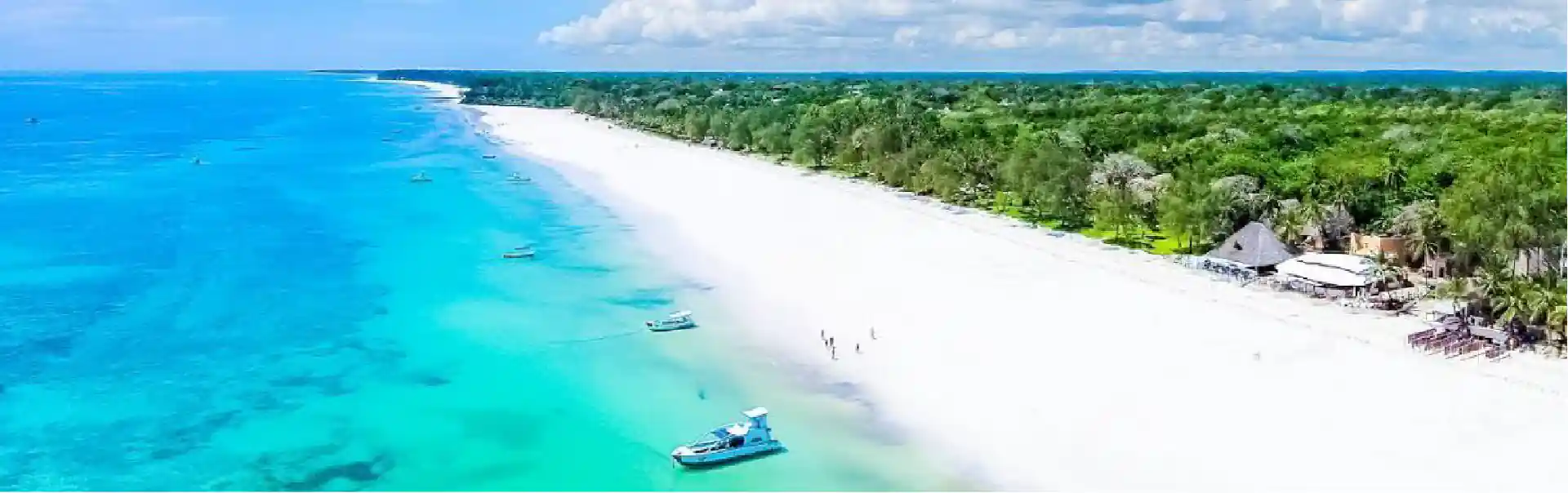
3. Diani Beach
4. Amboseli National Park
5. The Great Rift Valley
6. Lamu Island
7. Tsavo National Parks (East & West)
8. Nairobi National Park
9. Malindi and Watamu
10. Samburu National Reserve
Kenya has diverse climates — from warm, humid coasts to cool highlands and sunny savannas — so what you pack depends on where and when you visit. Below is a comprehensive packing guide for travelers to Kenya, with tips for safaris, city stays, and beach trips.
Clothing Essentials Kenya’s weather is generally warm, but it varies by region and altitude. Light, breathable clothes are best — with a few warm layers for the evenings. Everyday Wear
• Lightweight cotton or linen clothing – T-shirts, blouses, shorts, or light trousers.
• Long-sleeved shirts & long pants – For protection from sun and mosquitoes.
• A light jacket or sweater – Nights can get chilly, especially in Nairobi, the Rift Valley, or highland areas.
Best Time to Visit Kenya
1. Overall Best Time: June to October This is the dry season and considered the best time for safaris and general travel.
• Weather: Warm days, cool evenings, very little rain.
• Wildlife: Animals are easier to spot as they gather around water sources.
• Events: The Great Wildebeest Migration happens in the Maasai Mara (July– October) — one of the world’s greatest natural spectacles. •
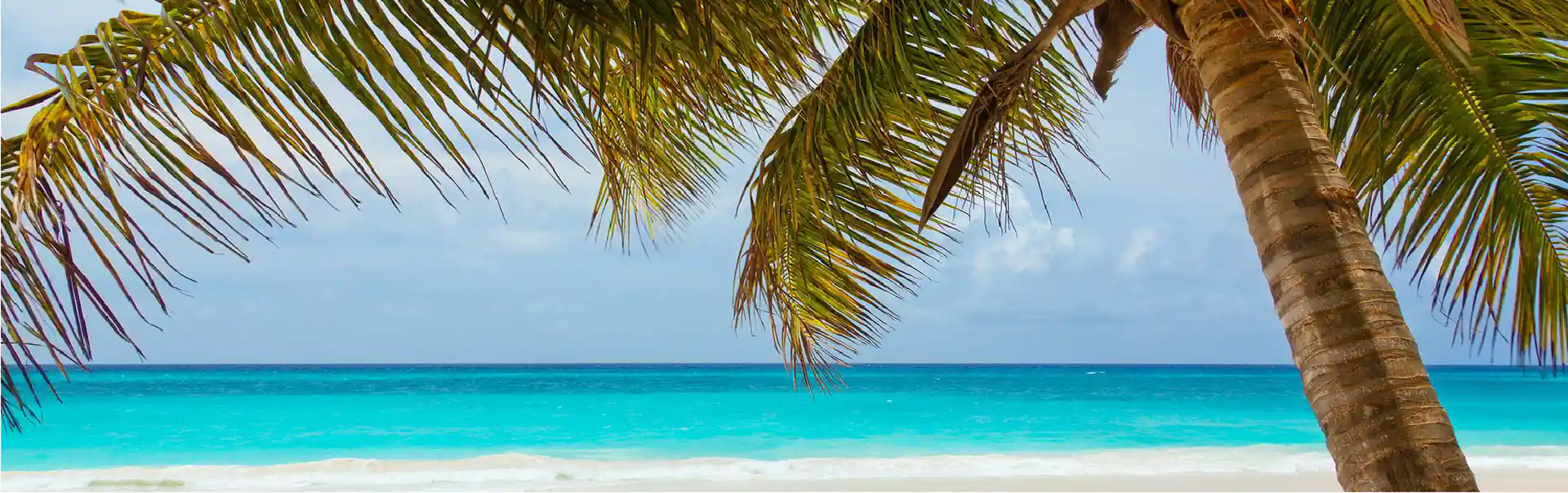
Beach conditions: Excellent — sunny skies and calm seas along the coast.